
The Challenges of Fostering a Health and Safety Culture in The Middle East
The Challenges of Fostering a Health and Safety Culture in The Middle East
February 11, 2017 | 12:01 AM
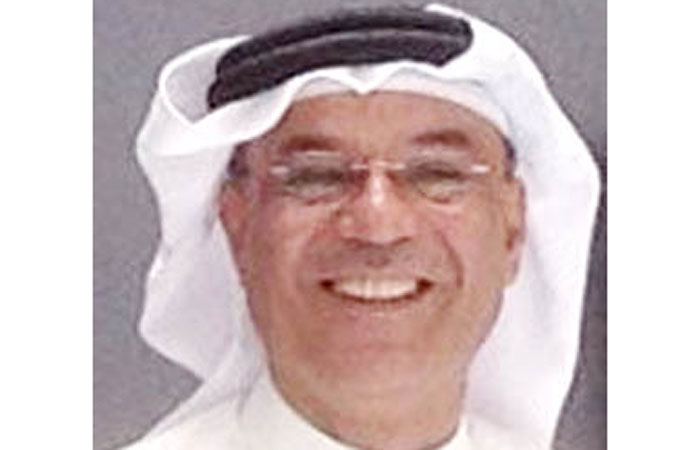
Hasan Al Alaradi
February 11, 2017 | 12:01 AM
Last Updated: February 11, 2017 | 12:01 AM

3 minute read
AA
Resize


Health and safety is becoming increasingly important for businesses in the Middle East, so why is the region still falling so far behind other areas of the world? Hasan Al Alaradi, Managing Director at RRC Middle East, the leading international provider of health & safety and environmental management qualification training, shares his thoughts on the region’s health and safety culture and the steps needed to bring about a positive change.
Our culture
I believe that the poor health and safety standards in the Middle East are no different to many other facets of living in the region. We suffer from having a culture that has long been dependent on others to develop and implement systems and technology - even our drinking water is imported! What appears to matter most to us is how easily things that are ready-made can be purchased, rather than going through the process of creating them ourselves.
As a result, budgets are wasted on the very latest equipment and technologies that are simply not needed and often cannot even be maintained properly. The need and desire to show off and keep up with others is too prevalent, leading to money simply being thrown away. Plus, with the global economy and declined oil prices, we can’t afford to this anymore.
There is also an increasingly common trend for individuals to put their own needs before others, seeing personal gain as far more important than the benefit to society as a whole. The ‘what’s in it for me?’ culture must change if industry, and in fact the region, is to progress and become a powerhouse recognised around the world.
Finally, too much onus is put on hitting targets, which drives workers to cover up or remove negative events that will not reflect well in their records. Ultimately, this leads to lives being lost, whilst time is wasted pretending we have done all we can to prevent accidents.
Why our attitudes towards health and safety must change
Over recent months we have seen several devastating health and safety disasters across the Middle East, from December’s hospital fire in Saudi Arabia and the July hotel fire in Dubai to last year’s construction crane collapse at Mecca’s Grand Mosque. There have also been numerous re-occurring fires in ‘labour camps’, which have taken many lives over the past few years, with the latest one being reported as recently as September 2016, in Jidhafs, Bahrain.
These events are becoming all too regular and must be prevented - improved health and safety education for workers and the implementation of international best practice will go a long way to achieving this aim.
So what can we do?
There are certainly a number of ways in which the Middle East’s health and safety industry can be improved, pushing our brightest stars to the very top, rubbing shoulders with the best in the international HSE industry.
For a start, the region’s governments must strengthen their enforcement bodies. This can be done by investing in the right calibre and numbers of enforcing officers, who need to be trained in HSE to a university standard, with a knowledge of international legislation. They must be given the authority to take enforcement action and prohibit unsafe business activities wherever necessary. Plus, they need to have a direct reporting line into the highest authority in their country’s ‘Head of Government’.
We must also review and develop advanced HSE legislation that is up-to-date and carries severe punishments, such as fines or imprisonment. This will deter organisations from violating the law and endangering those involved. It must also be made mandatory to report statistics on an agreed frequency that are shared with all stakeholders, including the general public. This will create awareness of the scale of the problem, and motivate organisations to improve.
Governments should invest in providing top quality training colleges that specialise in training both the public and private sectors. These should provide managers with hands-on skills to develop and implement HSE management systems that both work with the region’s culture, and meet international standards. This will encourage a culture amongst senior management of giving health and safety equal importance to any other facets of their business.
The region should also establish a national safety award scheme to recognise individuals, as well as organisations, with outstanding proactive participation in raising HSE standards. This will shine the light on the rising stars in the sector, but also attract the ‘what’s in it for me group?’ to up their game.
Is it achievable?
We have a long road ahead of us, but with the right training and a shift in the way the industry is viewed, I firmly believe that we can dramatically improve health and safety standards in the Middle East, catching up with, if not overtaking, others around the world.


