
Saudi inflation logs first negative y-o-y growth in January since 2005
Saudi inflation logs first negative y-o-y growth in January since 2005
March 7, 2017 | 12:02 AM
Saudi inflation logs first negative y-o-y growth in January since 2005
March 7, 2017 | 12:02 AM
Last Updated: March 7, 2017 | 12:02 AM

3 minute read
AA
Resize


JEDDAH — Economic data for January showed a generally positive picture in Saudi economic activity. While cash withdrawals from ATMs and point-of-sale
(POS) transactions fell slightly, month-on-month, the non-oil PMI continued to edge upwards, reaching a 15-month high, Jadwa Investment said in its “Saudi Chartbook” for March 2017.
Meanwhile, cement sales and production rose slightly, month-on-month, but remained significantly lower, year-on-year.
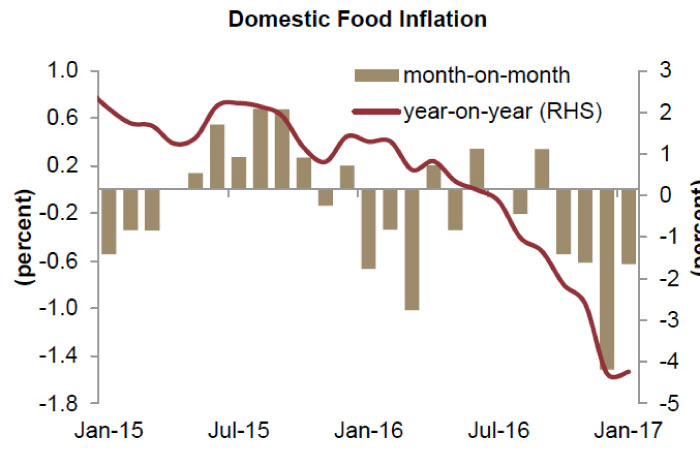
In January, inflation recorded the first negative year-on-year growth since 2005, at -0.4 percent, down from 1.7 percent in December. This represents the first deflationary trend since 2005. In January, inflation recorded the first negative year-on-year growth This deflationary trend is mainly attributed to a higher base effect, as the impact of last year’s energy price hike dropped out of calculations in January 2017. Moreover, prices of foodstuffs continued to trend lower, year-on-year, pulling down overall inflation.
 In January, the net monthly change to government accounts with SAMA came out negative, falling by SR32 billion. This decline was mainly due to a net withdrawal from government current deposits.
Meanwhile, banks net holdings of government bonds fell for the first time since May 2015.
SAMA FX reserves fell to $524 billion in January, the lowest since August 2011. In month-on-month terms, reserves fell by $11.9 billion, representing the fastest monthly decline in thirteen months.
Looking ahead, any new international sovereign bond issues should alleviate the pressure on FX reserve withdrawals.
Year-on-year growth in bank credit to the private sector reached 1.8 percent in January, the lowest since February 2010. However, in month-on-month terms, bank credit edged upwards rising by 0.3 percent. Meanwhile, annual data for 2016 showed that corporate credit growth slowed notably, while growth in consumer credit was nearly flat.
Moreover, total bank deposits edged downward, month-on-month, in January. This was due to a net decline in private sector deposits, while government deposits rose. The combination of falling deposits and rising credit has led to an increase in the loan-to-deposit ratio, from 86.6 percent in December to 87.3 percent in January, representing the first rise in five months.


