
More responsible leadership urged for infrastructure funding, operation
More responsible leadership urged for infrastructure funding, operation
March 22, 2017 | 04:11 AM
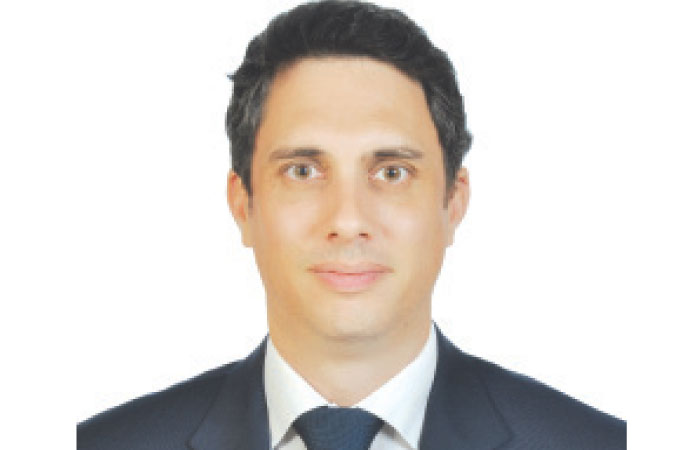
Richard Paton
March 22, 2017 | 04:11 AM
Last Updated: March 22, 2017 | 04:11 AM

3 minute read
AA
Resize


RIYADH — With global disruption and uncertainty affecting the status quo, the need for greater transparency and changes in investment models pose enormous implications for the future of infrastructure, according to the 2017 Emerging Trends in Infrastructure report from KPMG International.
The report spotlights 10 global trends, some underscoring the need for more responsible leadership by the public and private sectors to improve approaches to funding, developing and operating infrastructure.
“Political agendas and social expectations are changing. Global, regional and national institutions are weakening. Power is shifting and technology is disrupting everything,” said James Stewart, KPMG’s Global Infrastructure Chairman and a partner with KPMG in the UK. “And infrastructure is at the center of this evolution.”
The shift towards populist agendas, underpinned by infrastructure, will likely lead to three sub-trends. The first is increased infrastructure budgets. The second is protectionism which prioritizes domestic players over international experience. The third is a shift in priorities to popular assets and ‘people-first’ projects, with governments adopting a ‘bottom-up’ approach and taking time to understand the changing demands of current users and future generations.
Another expectation is that investors (public and private) will measure and communicate the impact of their investments in order for managers and beneficiaries to gain greater awareness of their social and environmental footprint.
It is also expected that infrastructure owners and operators will develop robust technology plans, balancing competitive advantages against quick Return on Investments (ROIs), with some governments moving from being technology followers to technology leaders in order to increase the efficiency of their infrastructure.
The report said in mature markets, infrastructure owners will make smaller investments, and that governments will think how to incentivize behaviors that help better manage peak demand in various sectors.
KPMG believes that in 2017 governments need to think more about the benefits that infrastructure delivers rather than focusing purely on a financial deal. They need to take more risk at the early stages of their programs, knowing that they can pass risks back to investors or sell out completely, recognizing that the risk will be far outweighed by the benefits of new infrastructure, particularly in emerging economies.
Moreover, the report noted that infrastructure players will accelerate expanding their global capabilities. The report considers there will be forces acting against globalization; rising protectionism and nationalist agendas; shifting social preferences; increasing focus on ‘localization’; disruptive trade negotiations and other uncertainties that may dampen enthusiasm for globalization.
Richard Paton, KPMG’s Head of Infrastructure Advisory for the Middle East and South Asia, said “the report is highly relevant for the economies of the GCC who, in the face of lower oil revenues, are now looking to the private sector and international investors to help fund their ambitious Infrastructure programs.” — SG


