
Building a bright future
July 7, 2017 | 12:00 AM
July 7, 2017 | 12:00 AM
Last Updated: July 7, 2017 | 12:00 AM

3 minute read
AA
Resize


By Prof. Muhammad Ahmed Basnawi/Makkah
THE Kingdom imports most of the products it needs from outside. This can turn into a major economic challenge. The Kingdom needs to increase domestic production in all fields, especially industrial sector. We have the capabilities that can enable us take major economic strides and achieve great things for the country. We need to optimize investment in our natural and human capital. For example, we are one of the largest oil producers in the world; still, we import 31.4 million barrels of petrol in 2014 to meet local demand, according to a report issued by the Al-Eqtisadiah newspaper’s Economic Report Unit. This means that we export oil in its raw form at a low price and import it in form of petrol and other chemical compounds at double the price.
We are one of the largest leather exporters in the world. We produce what is worth of $346 million of leather, according to Euromonitor International, a provider of strategic market research. This is such a low price when compared to the volume of leather we import in form of shoes, purses, suitcases, clothes, etc., which can be worth of billions of dollars. Is this not something ironic?
We have a promising pharmaceutical industry, which is the second largest global industry in terms of profits (the first being arms industry), with a total volume of $750 billion to a trillion dollar, based on different estimates. Our pharmaceutical industry represents 80 percent of total volume of Gulf markets at over $13 billion, according to a study conducted by Dr. Muhammad Khairi, a professor of state risks at Gulf University. We should focus more on the pharmaceutical industry, which can become one of the major supporting pillars of the economy. Gulf countries’ pharmaceutical industry is expected to reach $10.8 billion, according to Alpen Capital report.
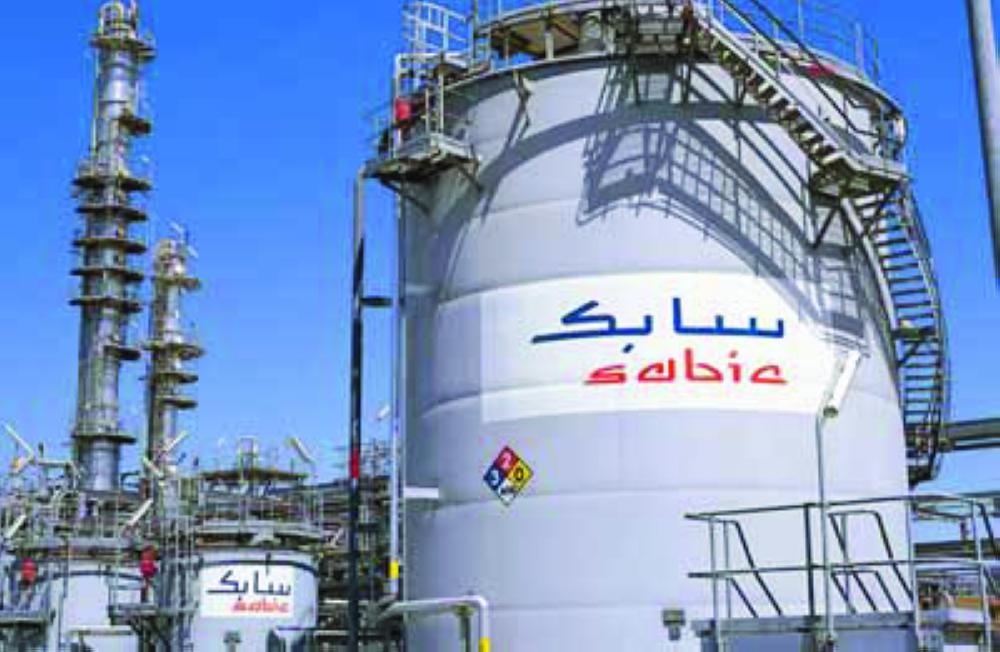
We own the largest reserve of metals in the Middle East including gold, silver, copper, manganese, phosphate, aluminum and iron. However, we have not made use of these metals. Perhaps the $96 billion- joint phosphate venture which will be implemented by the Saudi Arabia Basic Industries Corporation (SABIC), the Saudi Arabian Mining Company (Ma’aden) and the Mosaic Company could be a step in the right direction, which can help grow and develop this sector. Investment in phosphate alone can help grow the mining sector by seven percent in 2017, according to Jadwa Investment Company’s report. Once completed, the project will be one of the largest integrated phosphate complexes, which falls in non-oil economy sector.
Our domestic manufacture is not at the same high level of manufacturing in advanced countries. We do not have research and development centers. We need to set up and support such centers and lay down regulations to protect them. For example, we can ban the import of products that are manufactured domestically or we can raise customs fees on such imported products. Most importantly, we need to build a strong manufacturing base, which can compete with foreign products. I am not here talking only about leather, pharmaceutical industry and metals. These are just examples highlighting the importance we should attach to manufacturing in general.
Experts say advanced countries have advanced manufacturing because they invest in human capital. In fact, human capital is one of the elements that continue to contribute by eight percent to South Korean economic growth since 1960s. Educated young men and women were able to learn the techniques of advanced countries’ technology. They have increased productivity by 5.1 percent on annual basis from 1990 to 1995. The number of patent registration applications increased yearly by 24.6 percent from 1991 to 2001, which is the highest around the world.
South Korea focuses on investing in its human capital. It increased spending on education from 2.5 percent in 1951 to over 23 percent in 1980s. The number of students taking up technology and science accounted for 70 percent of total number of students in 1980. The number of students studying engineering increased by 27.2 percent. The country built more vocational training centers and technology colleges. In 1967, it established 26 vocational training institutes and used Japanese teachers and even adopted the Japanese curricula. By 1986, over 350,000 students had graduated from these institutes. Because South Korea did not have enough capital, it relied on the skills of the graduated students to make gigantic leaps in technology and manufacturing.
The universal truth we should all be aware of is: Man is the real resource of any nation. We should invest in people rather than stone and steel. Some companies today are worth that of the economy of several countries combined. For example, Apple Company’s market value has exceeded $700 billion while Samsung’s $326 billion. The success of these companies lies in its policies, which focus on investing in human resources. Apple’s market value exceeds the Saudi economy value, estimated at $644 billion according to World Bank reports.
Many wonder why the Zionist entity has excelled at manufacturing and has easily penetrated foreign markets. The answer cannot be simpler. It is not magic. This is the result of persistent and aggressive scientific research focusing on finding scientific solutions to the Zionist entity’s problems. The Kingdom’s spending on scientific research does not exceed 0.2 percent of domestic product while the Zionist entity’s spending percentage on this reaches 4.93 of the domestic product, which is higher than that of the USA, according to the World Bank reports. If we do not make any changes, we will continue to have uncreative manufacturing sector that does not encourage innovation and creativity.
UNESCO reports indicated that spending on scientific research in Arab countries per annum does not exceed $14 per individual while European and American governments spend over $1,200 on their citizens. The low spending has reflected negatively on the volume of productivity. The number of published research papers around the world reached 2.945 million in 2012, with the Arab world accounting for 38.5 thousand papers only. We still rely heavily on consultancies that think for us and cost us a lot of money, which could have been used to encourage scientific research.
Finally, we must realize that we can overcome all obstacles facing our future manufacturing. But we need first to follow in the footsteps of advanced countries and benefit from their experiences in order to keep up with them.


