
Permission poser
Picture yourself in a bit of a spot for not being in line with cyber rules
August 19, 2017 | 12:00 AM

August 19, 2017 | 12:00 AM
Last Updated: August 19, 2017 | 12:00 AM

3 minute read
AA
Resize


Saudi Gazette report
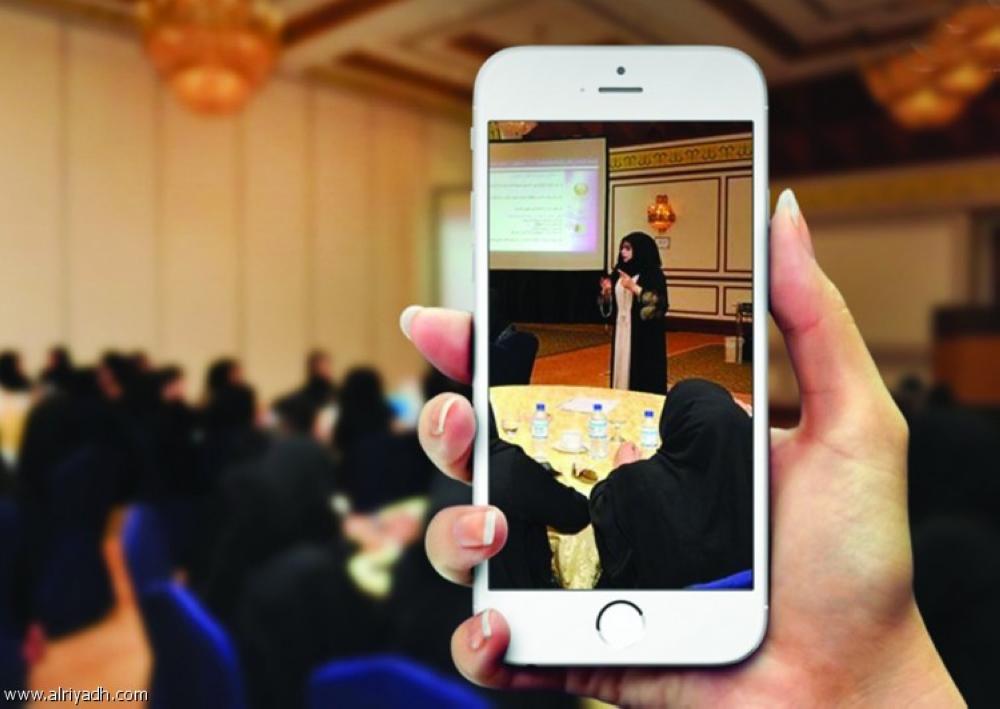
MANY people think that taking photographs and posting them on social media websites will not put them in a spot or a bit of a bother with authorities. They do not realize that taking a picture without permission is a crime under the Cybercrime Law and is punishable by fine and prison, Al-Riyadh daily reported.
Dr. Sulaiman Al-Aqeel, a sociologist, says many people make this mistake because they do not realize the cultural and social considerations in place. The reason for this frivolous manner in clicking away anywhere is because they take a photo in a different country and no one questions them or their actions. They think that what is good in other places is okay here too, without making an effort to understand the law and customs of the land.
“Public awareness about such practices should be raised so that people, especially youth, realize that such action can put one in trouble. People should understand there are laws in place which require one to take permission from pertinent authorities before taking photos in public places,” he said.
Dr. Ali Al-Obthani, a thought leader, said taking photos of security facilities and posting them on social media is irresponsible action, which can jeopardize the security of the entire society. This is strictly a no-no and these stringent rules are in place in places outside the Kingdom too. He called upon parents to educate their children about the consequences of such action.
“Laws impose harsh punishment such as five-year prison term and hefty fine on violators as per Article (6) of the Cybercrime Law. Everyone should be aware of this law and should not get involved in actions that jeopardize the security of security officers or strategic places. Public security is the responsibly of each and every member of the public and we should all protect it with our heart and soul,” he said.
Muhammad Saleem, a retired brigadier general, said the Communications and Information Technology issued the law around three years ago to educate all segments of society about the risks of cybercrimes. Leaking sensitive documents and photographs is punishable by a prison term that does not exceed 20 years and a fine that does not exceed a million Saudi riyals, or both.
Some employees trust their friends on such top secret information or send it over to them on social media websites. If this information gets leaked by mistake, the employee will get in trouble.
Photography
Bayan Zahran, a lawyer, agreed that taking photo of sensitive public facilities and posting them on the social media without permission is a clear violation of the Cybercrime Law.
Dr. Ibrahim Zamzami, a legal consultant, said if a security officer gets suspicious about anyone who is taking photos with his cameras near a government facility, the officer has the right to stop the person and search the camera and even investigate the person. If the officer is certain that the person has malicious intent, he can hand over the person to the nearest police station.
He warned Saudis and expatriate workers against taking photos of sensitive places and facilities and posting them on social media websites. Such action can jeopardize the national security of the country.


