
Thriving mangrove forests tell Saudi Arabia's conservation story


JAZAN/RABIGH— Turquoise streams, vibrant green coastlines, and more than 23 million mangrove trees define Jazan's and Rabigh's rich mangrove ecosystems and reflect the Kingdom's commitment to environmental conservation.
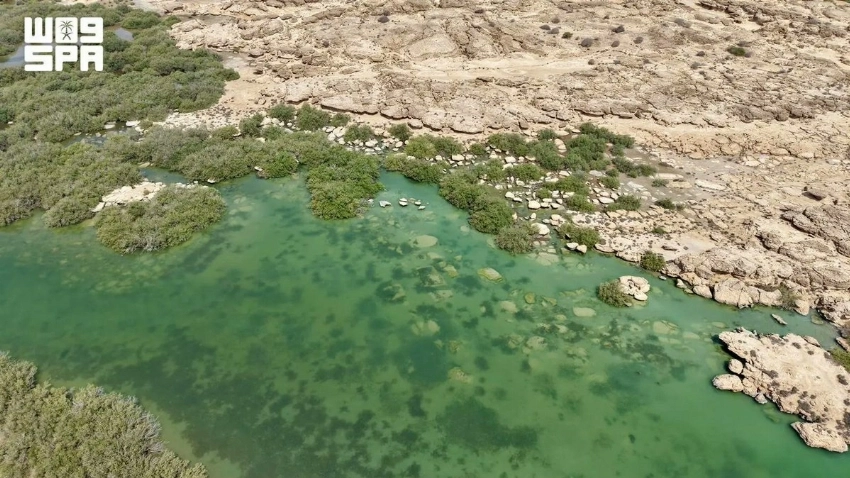
On the International Day for the Conservation of the Mangrove Ecosystem, observed annually on July 26, the Saudi Press Agency (SPA) highlighted Jazan's and Rabigh's mangrove ecosystems as a showcase of Saudi Arabia's conservation efforts and sustainable management of natural resources.
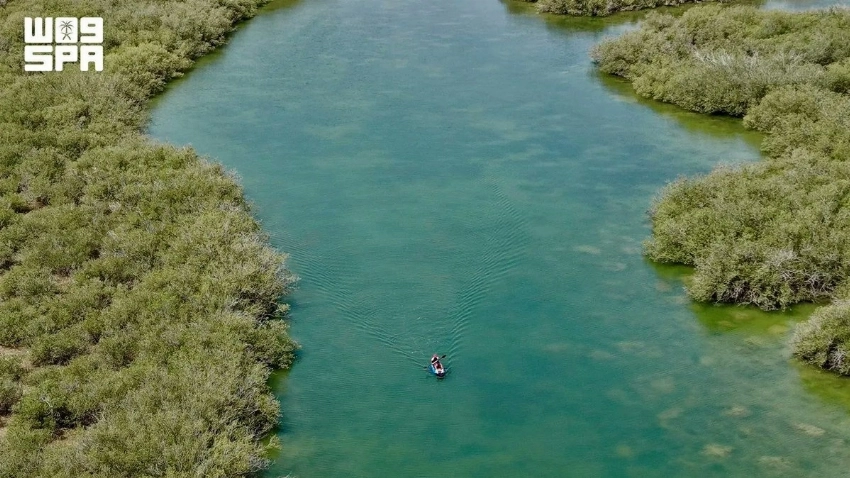
JAZAN
SPA explained that the forests play a vital role in protecting coastal ecosystems and preserving biodiversity.
It added that mangrove ecosystems are essential in combating climate change and safeguarding marine habitats.
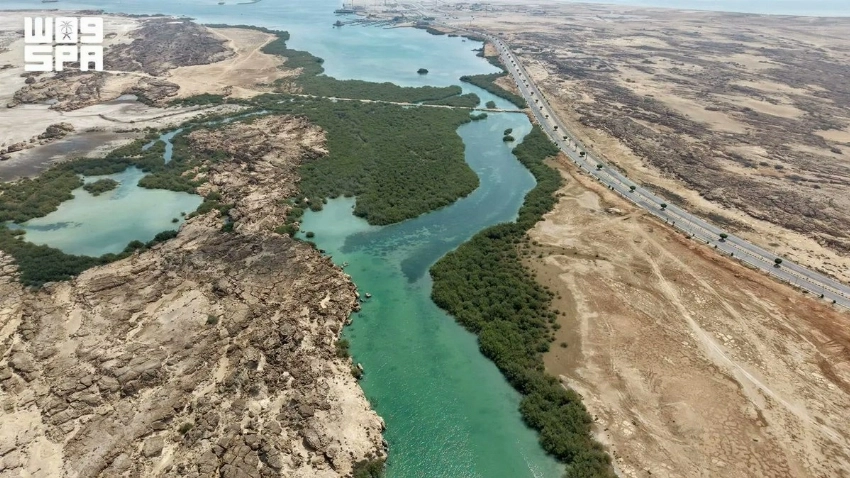
The National Afforestation Program has planted more than 23 million mangrove trees along the Jazan coast as part of national initiatives to expand vegetation cover, strengthen coastal environmental protection, and enhance ecosystem resilience.
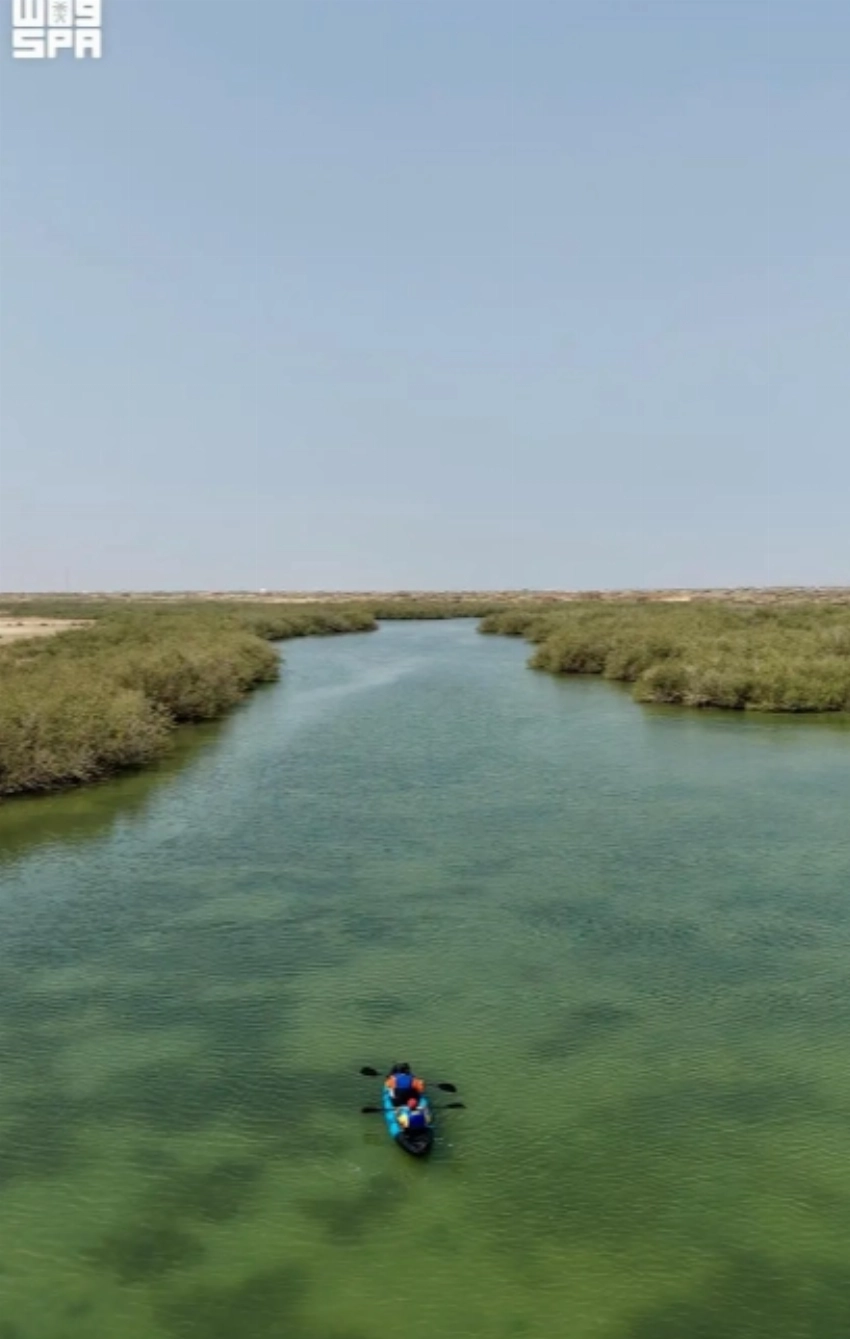
Mangrove forests also contribute to economic diversification.
SPA said the Kingdom continues to advance the development and conservation of mangrove forests through a range of environmental initiatives, contributing to sustainability, biodiversity conservation, expanded vegetation cover, and the preservation of natural resources for future generations.
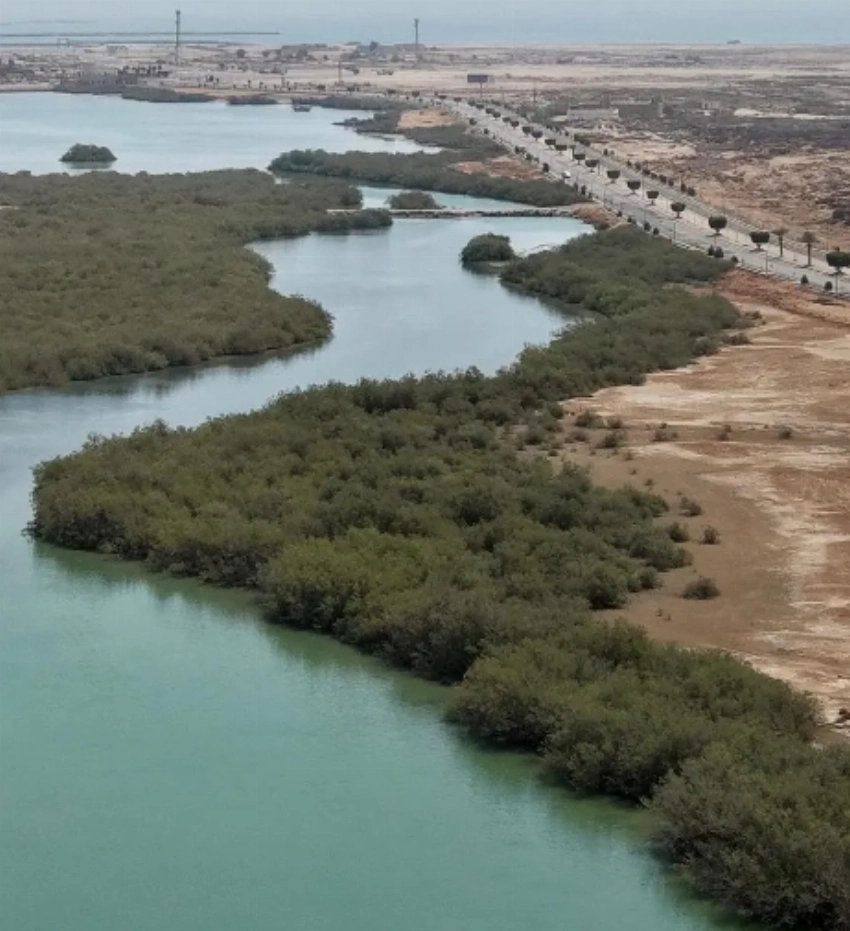
RABIGH
SPA said Rabigh's mangrove forests form an integrated ecosystem that protects coastlines, preserves biodiversity, and supports the sustainable management of marine resources.

The forests serve as natural nurseries for fish, crustaceans, and other marine life, while providing habitats for resident and migratory birds that help sustain marine ecosystems.


Rabigh is also expanding its mangrove cover through environmental initiatives, including a project to plant 400,000 smart mangrove trees to enhance carbon sequestration and support the Saudi Green Initiative.


