
Hajj Conference draws over 200,000 visitors, seals 2,553 agreements
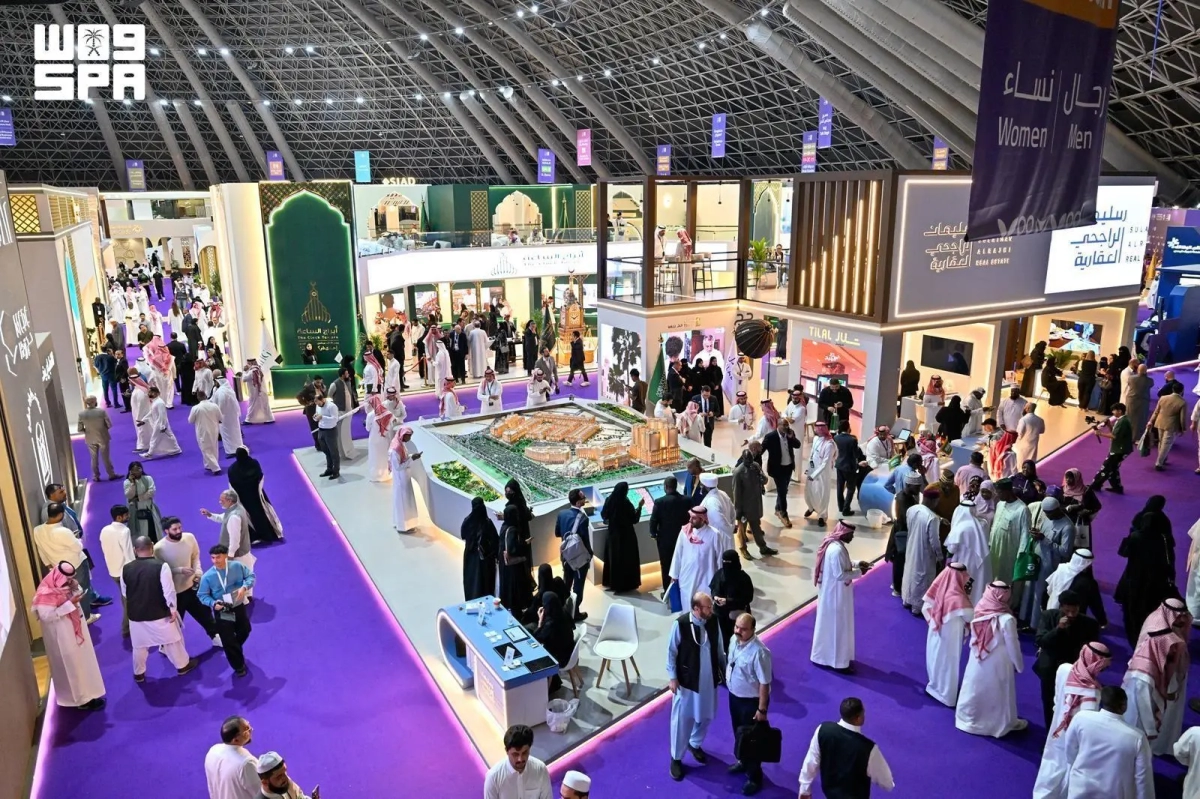


JEDDAH — The sixth Hajj Conference and Exhibition concluded at Jeddah Superdome on Wednesday after four days of activities, bringing together more than 520 entities from the government, private, and nonprofit sectors, with participation from more than 150 countries.
The event, held under the patronage of Custodian of the Two Holy Mosques King Salman, was organized by the Ministry of Hajj and Umrah in cooperation with the Pilgrim Experience Program, one of the Saudi Vision 2030 programs at the Jeddah Superdome. The conference and exhibition, under the theme “From Makkah to the World,” attracted more than 200,000 visitors and saw the signing of 2,553 agreements.

The conference marked a key milestone in early preparations for the 2027 Hajj season. It brought together Hajj affairs offices, service providers, government, private and nonprofit entities, decision-makers, entrepreneurs, and innovators to complete preparations and contracts, discuss operational and organizational needs, and present solutions and initiatives covering the various stages of the pilgrim journey.
The conference’s scientific program featured 45 panel discussions with more than 460 speakers, alongside 71 specialized workshops attended by 3,500 trainees. The sessions and workshops covered three main areas: infrastructure and operational services; empowerment and synergy; and training and development. Related topics included transportation, logistics, accommodation, hospitality, catering, healthcare, media and communications, technology, innovation, entrepreneurship, training, and ways to enrich the pilgrim experience.

The Hajj Talk was one of the conference’s dialogue platforms, hosting 47 sessions on operational and development issues related to the Hajj services system. Discussions addressed the needs of service providers and Hajj affairs offices, as well as ways to develop services and improve the pilgrim experience. They also provided an opportunity to raise challenges and discuss solutions and proposals related to preparations for the next Hajj season.
The conference also saw the finalization of agreements on Hajj arrangements for the 1448 AH season with Hajj affairs offices in 74 countries, building on the preliminary arrangements document. This step supports the early completion of contracts and operational and organizational requirements, along with agreements covering pilgrim dispatching, air transport arrangements, and other preparations for the season.
As part of the awards program, Deputy Minister of Hajj and Umrah Abdulfattah Mashat honored the winners of the awards presented at the conference. These included the Labbitom Award for Excellence in Serving Pilgrims, in the Hajj service providers category; the third edition of the Tawasul Award for media and awareness excellence in the domestic and international pilgrims category; and the Mobdeoon Award. The awards recognized distinguished and innovative entities, initiatives, products, and services that have helped improve the quality of services provided to pilgrims.
For the first time, the sixth edition also featured the Awareness and Training Forum, which held 12 sessions and meetings. The event also launched the awareness readiness index initiative, the unified workers’ portal, and a program for members of Hajj affairs offices and group leaders. These initiatives are part of efforts to develop awareness activities and strengthen the readiness of those serving pilgrims.
The forum’s activities included qualifying 658 trainees from 76 countries through a training-of-trainers program for members of Hajj affairs offices and group leaders. The program featured 11 training tracks delivered in four languages. The forum also witnessed the signing of three agreements and the organization of seven interactive activities and eight accompanying events.
The accompanying exhibition covered more than 67,000 square meters. It brought together entities representing 19 service sectors within the Hajj ecosystem, including transportation, aviation, accommodation, catering, healthcare, technology, artificial intelligence, logistics, crowd management, education, training, and media. It provided Hajj affairs offices and service providers with an opportunity to explore solutions and products and to discuss requirements for the upcoming Hajj season.
The sixth edition featured more than 15 main areas and programs, including the Hajj Conference, Hajj Talk, workshops, Innovation Zone, Business Center, Partners’ Platform, Expert Volunteer Forum, Awareness and Training Forum, Technology, Health, Media and Aviation Oases, "Conference Lens" studio, and "Made in Saudi Arabia" area, among others.
As part of the innovation track, the innovation council hosted 15 startup companies over four days, alongside nine experts and specialists from the Ministry of Hajj and Umrah and four external experts. More than 35 representatives of companies providing services to pilgrims inside and outside the Kingdom also took part, bringing total participation to more than 80. The council held 14 hours of discussions on technical and operational solutions, as well as opportunities to harness innovation in developing the Hajj services ecosystem.
The startup exhibition featured 10 companies, while the "Future of Hajj Innovations" camp brought together 20 teams working to develop solutions in smart operations and crowd management, sustainability and resource efficiency, pilgrim experience and services, awareness and training, and the pilgrim journey. The camp also provided mentorship, guidance, opportunities to develop solutions, financial support, and incubation.
The Innovative Initiatives Zone showcased 12 government initiatives, while the "Innovation Store" featured 574 innovative products. The "Try Me" zone enabled visitors to test 13 innovative products. The exhibition also featured 10 umbrellas and three innovations from the "Think for the Two Holy Mosques" program, allowing visitors to explore practical examples of solutions and initiatives and assess their potential to improve services provided to pilgrims.
The conclusion of the sixth edition reflects the continued care of the Kingdom’s leadership for pilgrims and embodies the objectives of the Pilgrim Experience Program and Saudi Vision 2030. These efforts focus on developing the service ecosystem, raising operational readiness, empowering the private and nonprofit sectors, and expanding the role of technology and innovation to improve the pilgrim journey at every stage.


