
Arabian gazelle’s desert adaptability reflected in Arab heritage
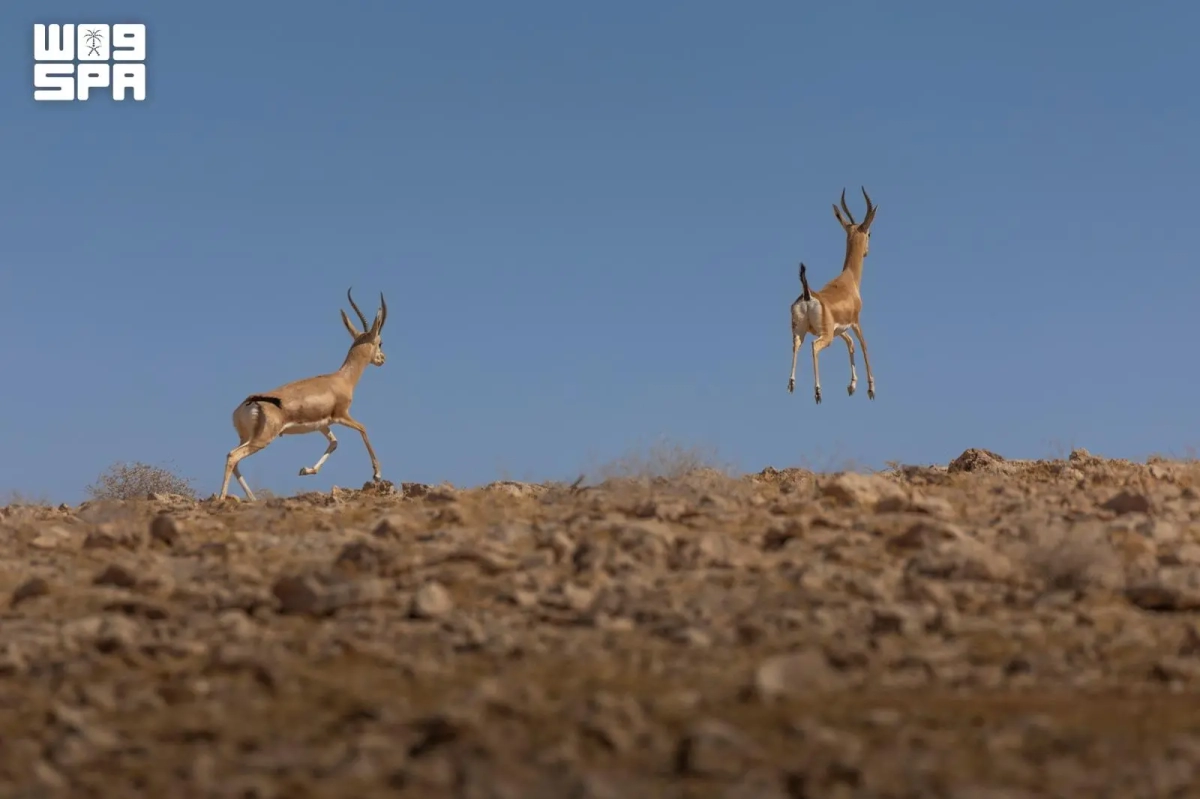


RAFHA — Ancient Arabic writings recorded observations of gazelles’ ability to endure thirst and adapt to desert environments. One traditional description portrays the gazelle as compensating for the absence of water by breathing in the breeze, an expression that reflects early Arab observations of the animal’s nature and its ability to survive in arid habitats.
Chairman of the Board of Aman Environmental Association in Northern Borders Region Nasser Al-Mujlad said traditional descriptions of the gazelle went beyond its agility and speed to explore its feeding habits, how it copes with water scarcity, and the ways it responds to potential threats, the Saudi Press Agency reported. He explained that gazelles benefit from the moisture in the plants they feed on, including desert grasses and shrubs, helping them withstand dry conditions and reduce their reliance on surface water sources.

Scientific data published by the Royal Commission for AlUla indicate that the Arabian gazelle (Gazella arabica) can meet its water requirements through its plant-based diet, without necessarily needing to drink water directly. Its diet includes plant leaves, flowers and fruits, including those of acacia trees.

Al-Mujlad noted that gazelles’ ability to adapt to desert conditions is linked to their diet and grazing behavior, as well as physiological characteristics that help them withstand arid environments. These traits offer a glimpse into the gazelle’s natural adaptation to its surroundings, while traditional accounts reflect the keen interest of ancient Arabs in observing desert wildlife and documenting its behavior.


