
NSA outage disrupts key intelligence hub that supports US operations in Middle East
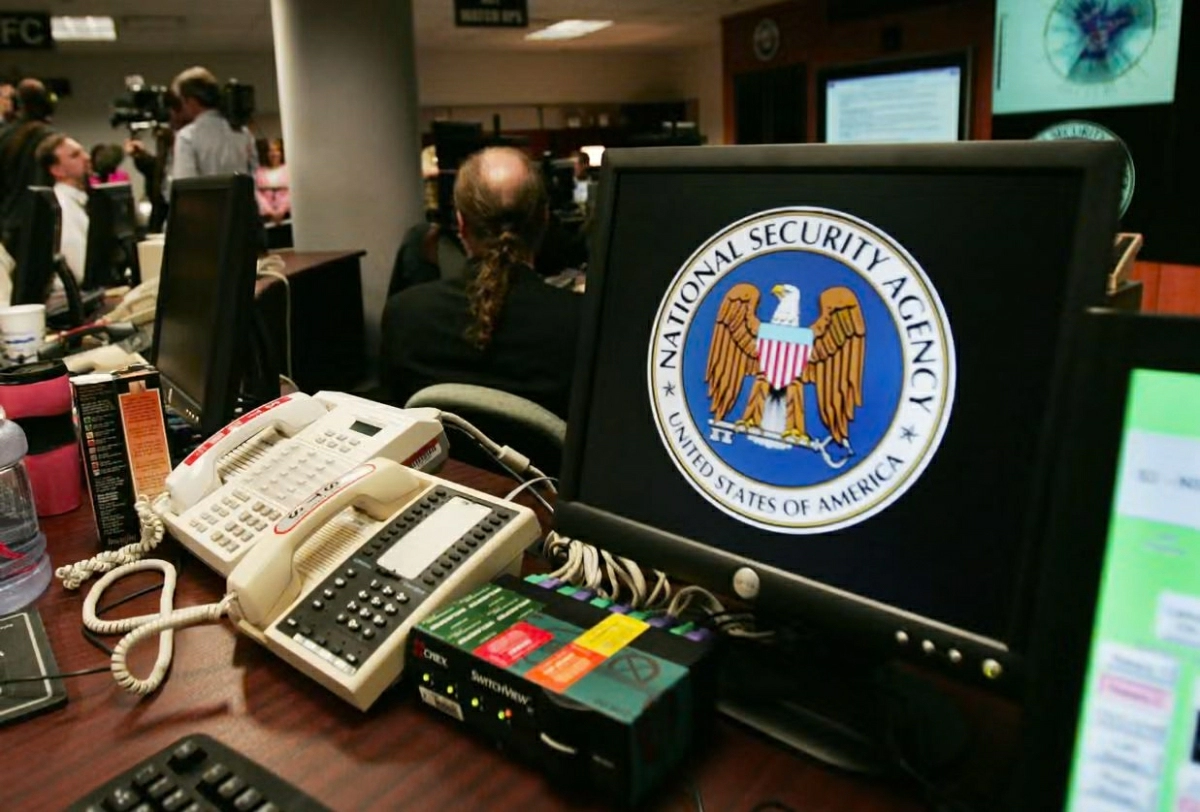


AUGUSTA, Georgia — The sweeping IT disruptions that have kept large swaths of the National Security Agency’s workforce at home for the past two days also impacted operations at a critical Georgia facility that supports signals intelligence and cybersecurity operations focused on the Middle East, where the US is currently engaged in a war with Iran, multiple sources familiar with the matter told CNN.
The NSA's internal network, which is used to store and share classified information, went offline Tuesday, prompting the agency to stagger arrival times for some personnel at its headquarters at Fort Meade, Maryland.
Artificial intelligence helped uncover a pair of critical security vulnerabilities, triggering a global scramble last month to update software used by much of the internet, including the NSA.
Several officials emphasized that the agency’s most sensitive and important intelligence-gathering systems are still functioning. Although the outage has frozen employees out of one of its internal classified communications networks, the NSA has multiple back-ups and workarounds it can use. And since many of the agency’s computer networks are so old and so heavily “compartmented” — locked away from access to other systems to protect classified information — they went untouched, one source noted wryly.
But the scope of disruption, including its ability to impact internal communications related to a US war zone, has underscored the powerful repercussions stemming from what Trump administration officials on Wednesday described as a consequence of the widespread adoption of artificial intelligence.
In the end, even the nation’s most powerful cryptographic and cybersecurity agency, chock full of elite code-breakers and hackers, isn’t immune from the blowback of rapidly advancing AI technologies.
By Wednesday, many NSA employees still had been unable to return to work. An operational status update sent to employees said that “in order to ensure continued progress of securing restoration, on Wednesday, 18 November, Maryland non-essential day shift personnel should not report for duty unless directed by their supervisor.”
A senior administration official acknowledged that the patching work the agency was doing to restore access was going “slower than expected.”
While NSA headquarters at Fort Meade is “the center of the universe” when it comes to managing the agency’s internal classified communications network, personnel at the agency’s cryptologic center in Georgia are responsible for overseeing cyber operations focused on the Middle East, according to current and former US officials.
During the disruption, officials in Georgia were unable to use its classified internal communications network, NSANet, to communicate with colleagues deployed in the region, but were still able to use workarounds and back-up systems to share information.
NSANet is essentially a giant classified email system. When it’s down, a US official in a Middle East capital might temporarily be unable to access a classified intelligence report shared through NSANet, but that official would find another channel to get the intelligence, a former senior NSA official said.
In its multiple decades of existence, NSANet has evolved into a vast, and very expensive hardware and software that can be difficult to manage. During that time, there have been multiple NSANet outages during system upgrades — some of them intentional, others not — that haven’t made the news, a second former senior NSA official told CNN.
“It wasn’t designed, it evolved,” the former official said. The agency is essentially stuck with NSANet, warts and all, because it would labor-intensive and costly to replace, the source said.
At other agencies in the US intelligence community, officials took note of the fact that their NSA contacts were offline for the entire day on Tuesday.
“Some parking lots [at Fort Meade] were fully abandoned on Tuesday,” said one contractor, marveling at how empty it felt at a hub with over 20,000 employees.
Multiple current US officials briefed on this week’s outage said it was not a cyberattack but instead appeared connected to the NSA’s handling of software updates for vulnerabilities in PHP, a programming language that powers about 70% of the world’s websites. Private researchers last month disclosed the vulnerabilities, which AI tools helped discover. The NSA itself urged organizations to apply software patches.
The PHP bugs are just a handful in a slew of new vulnerabilities that AI has been able to locate. Now, lots of companies — and government agencies — are discovering a spate of new vulnerabilities in their systems— and they are under pressure to patch them promptly. Organizations without a plan to do so are overwhelmed.
“AI is making it possible to identify vulnerabilities across enormous numbers of systems at unprecedented speed, creating enormous pressure on companies and government agencies to patch those vulnerabilities immediately, often all at once, putting tremendous strain on systems that weren’t built to handle that pace of change,” Sen. Mark Warner, the Democratic vice chairman of the Senate Intelligence Committee said in a statement on Tuesday.
Inside some offices in the NSA, there are memes and references to Jeff Goldblum’s speech about scientific advancement in Jurassic Park circulating: “Your scientists were so preoccupied with whether or not they could, they didn’t stop to think if they should.”
While the NSA is known for its top-tier hackers and codebreakers, the grunt work done by IT personnel to keep the massive agency working worldwide get far less attention.
Throughout the day on Wednesday, senior administration officials were at pains to explain that there had been no cyberattack on the NSA or any of the other private institutions that have recently experienced outages in the past week.
Director of National Intelligence Jay Clayton told lawmakers on the House Homeland Security Committee on Wednesday that he has a “very high level of confidence” that none of the downed systems were the result of a cyberattack because they all had different causes — and because none of them exhibited the digital hallmarks of an attack.
“They are different causes,” Clayton said. “We have then looked inside the government, inside the private sector … What are the techniques, tactics, and procedures that have been used in the past for that type of (hacking) activity? Do we see any of them here? We do not see them.”
The NSA, like every other organization on the planet, will have to balance the need to embrace AI tools while keeping humans on keyboards to maintain systems. Like the cybersecurity industry itself, the vaunted spy agency is reckoning with how AI tools are making its job much easier — and much harder.


