
Saudi transport and logistics investments set to hit SR45 billion in 2026


RIYADH — Minister of Transport and Logistics Saleh Al-Jasser said Saudi Arabia’s transport and logistics sector has made significant progress, surpassing several Saudi Vision 2030 targets ahead of schedule. He said that new investment commitments in the sector are expected to reach SR45 billion in 2026, despite regional challenges.
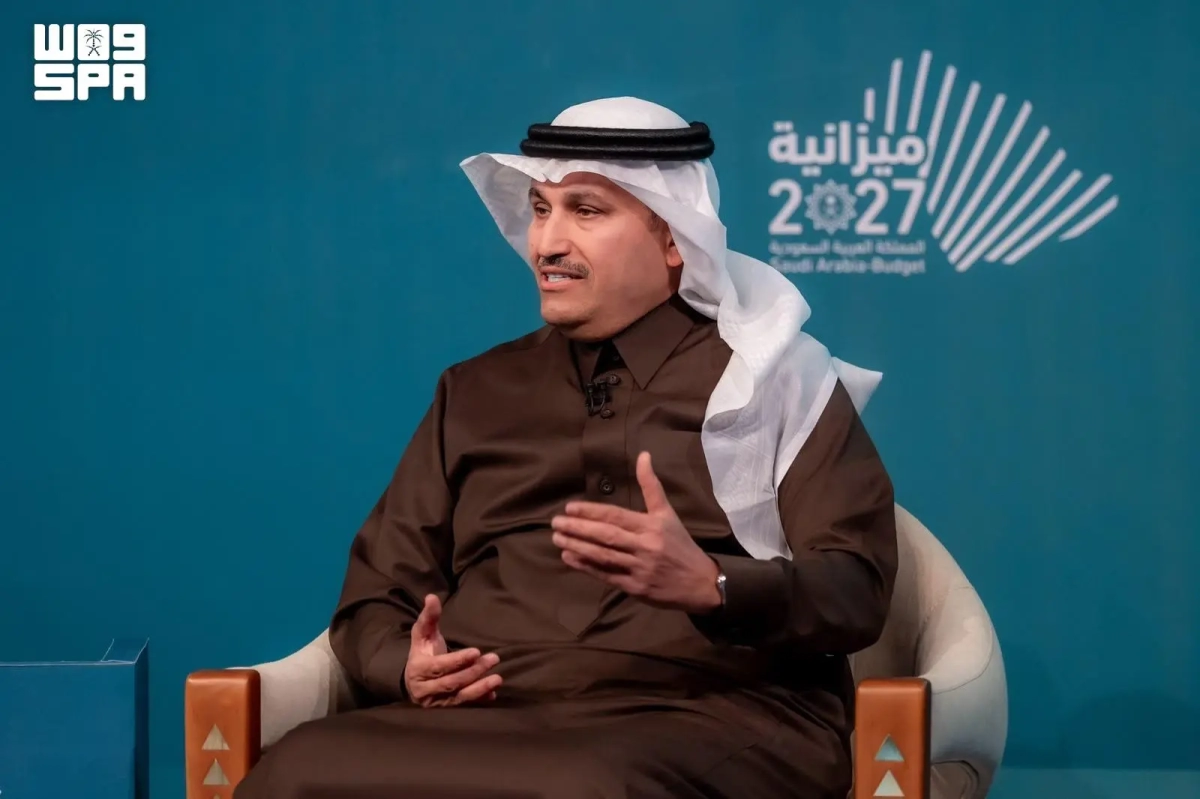
Speaking at a panel discussion titled "Logistical and technical capabilities connecting the world" at the Budget 2027 Forum in Riyadh on Wednesday, Al-Jasser said the transport and logistics sector operates as an integrated system encompassing regulatory and legislative entities across civil aviation, transport, roads, and ports, working in closecoordination with the private sector.
He described the private sector as the main driver of investment and resources underpinning the National Transport and Logistics Strategy, noting that the Kingdom has attracted hundreds of billions of riyals in high-quality investments from major international companies in recent years.
He cited Maersk's investment at Jeddah Islamic Port, which hosts the company's largest logistics zone worldwide. The facility has reached full occupancy, prompting the company to seek further investment opportunities in the Kingdom.
Jeddah Islamic Port currently has 17 integrated logistics zones. Al-Jasser also noted that multibillion-riyal investment agreements were signed this year with CMA CGM to develop a terminal at the port, alongside contracts for five new logistics zones. In the railway sector, he highlighted the procurement of 20 new trainsets for the Haramain High-Speed Railway, in addition to new rolling stock for the Eastern, Northern, and mining railway lines.
He added that contracts had been signed to double-track the mining railway line, which supports the transportation of three types of minerals, while the project to connect the Kingdom's railway networks through a link in Riyadh had reached its final tendering stage. Efforts are also underway to complete the Landbridge project in partnership with the private sector.
Al-Jasser said women's participation in the sector had risen to 33 percent of the workforce, while the Saudization rate in leadership and highly skilled positions had reached approximately two-thirds. He attributed this progress to the establishment of specialized academies offering internationally recognized training programs closely linked to private-sector employment needs.
The minister also highlighted technological advances that have transformed jobs such as operating large port cranes and driving modern trains, including those on the Haramain High-Speed Railway and Al Mashaaer Al Mugaddassah Metro, into advanced career opportunities for Saudi men and women.
Al-Jasser acknowledged the continued support of the Kingdom's leadership for the transport and logistics sector, stressing that it remains committed to balancing flexible and rapid responses to exceptional challenges with the continuity of daily operations and the efficient implementation of major strategic and transformative projects.


