
Mojtaba Khamenei reiterates Iran’s conditions to end war with US
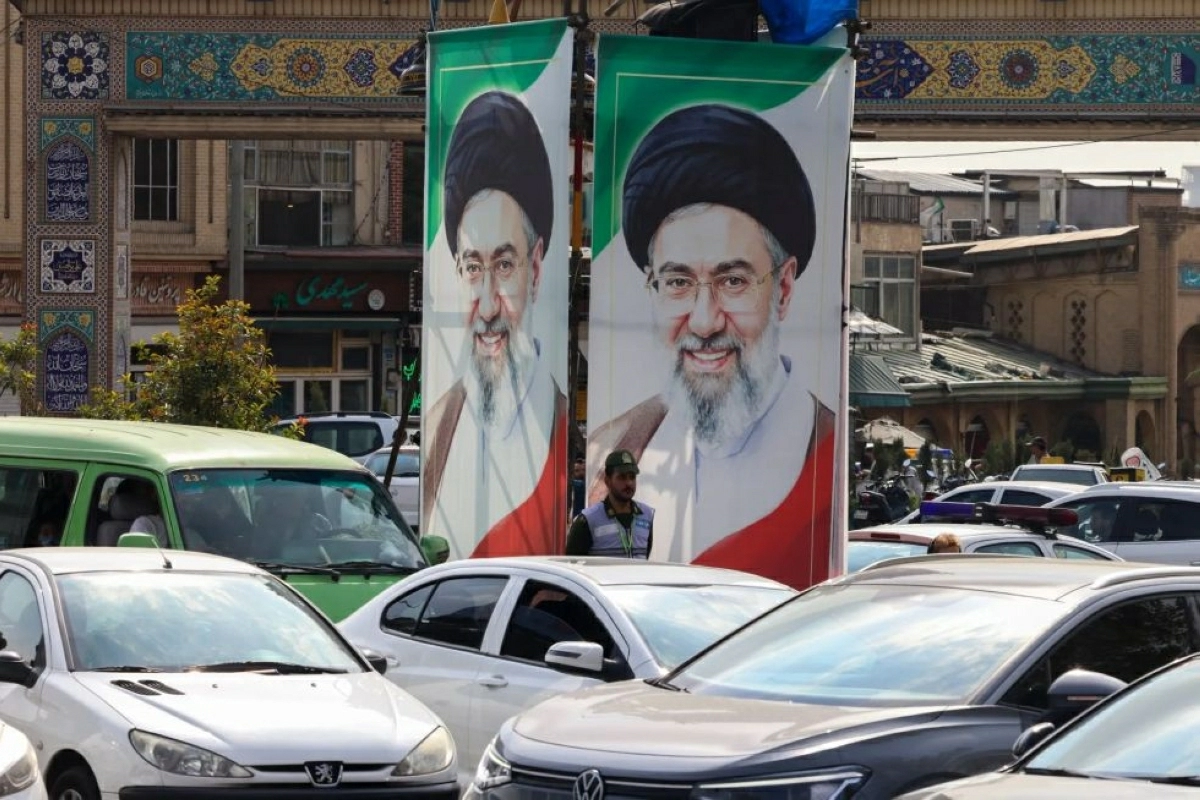


TEHRAN — Iran’s Supreme Leader Mojtaba Khamenei reiterated on Tuesday Iran’s conditions for ending the war with the United States, during a meeting with his security chief.
Khamenei met with Supreme National Security Council Secretary Mohsen Rezaee, according to a Telegram statement from the supreme leader’s office.
The meeting came a day after Rezaee held talks with senior officials from Saudi Arabia, Turkey and Pakistan in Iran, part of an effort by the three powers to defuse tensions and prevent another round of US-Israeli strikes on the Islamic Republic.
During the meeting, the first publicly announced encounter between Rezaei and the leader, they discussed “strengthening bilateral relations with neighboring countries” and “safeguarding national and regional security through the management of the Strait of Hormuz,” Khamenei’s office said.
The Iranian leader stressed the need to safeguard the rights and interests of the Iranian people and what Tehran calls the “resistance front” by fulfilling the conditions set by Iranian officials for ending the conflict.
He described the Supreme National Security Council as a central body for managing state affairs, emphasizing coordination among political, economic, cultural and security institutions.
Khamenei highlighted the importance of protecting national and regional security through managing the strategic Strait of Hormuz and strengthening relations with neighboring countries based on mutual interests.
Rezaei briefed Khamenei on the country’s situation and measures being taken to address ongoing challenges, the statement said.
Mojtaba Khamenei was chosen in March to succeed his father and longtime ruler Ayatollah Ali Khamenei, who was killed in US-Israeli strikes on February 28 in central Tehran alongside senior military commanders, and was said to have been injured in the same attack.
He has only communicated through written messages since his appointment, some of them published in handwriting attributed to him.
Several Iranian officials, including Judiciary chief Gholamhossein Mohseni Ejei and parliament speaker Mohammad Bagher Ghalibaf, have in recent days said they held rare meetings with the supreme leader.


